High Yield Spotlight
The CLO Income Play That Doesn't Blow Up
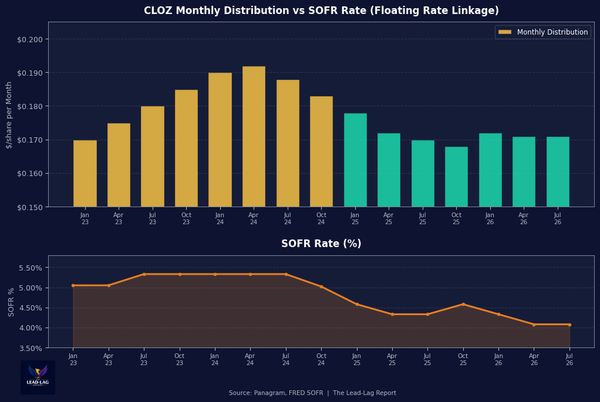
How the Panagram BBB-B CLO ETF delivers a 7.5% yield with a floating-rate profile that thrives in a higher-for-longer world.

High Yield Spotlight
How the Panagram BBB-B CLO ETF delivers a 7.5% yield with a floating-rate profile that thrives in a higher-for-longer world.
High Yield Spotlight
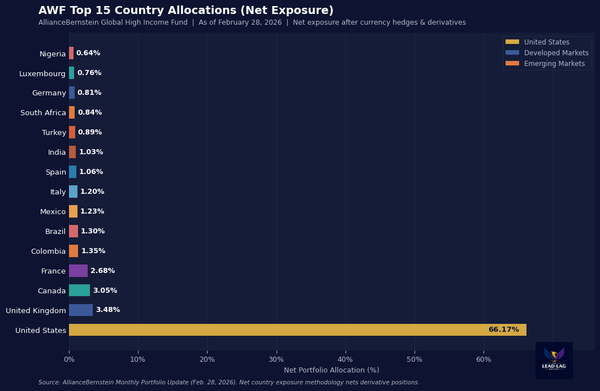
When tariffs stress EM credit and domestic HY in the same move, a diversified global income fund at a decade-wide discount deserves a look. Every week, we'll profile a high yield investment fund that typically offers an annualized distribution of 6-10% or more. With the S&
High Yield Spotlight
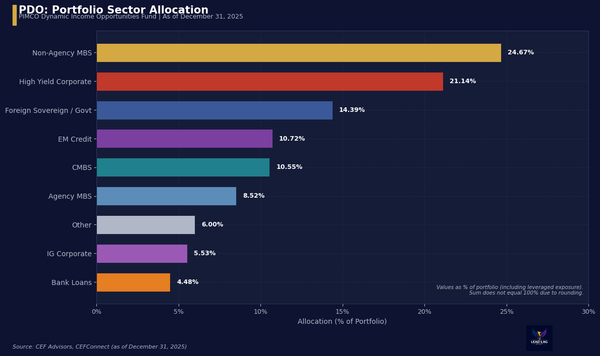
HIGH YIELD SPOTLIGHT Why PDO is one of the most interesting income vehicles in closed-end funds right now — and why the premium, the leverage, and the 2033 termination date all matter more than most investors realize. Every week, we'll profile a high yield investment fund that typically
Newsletter
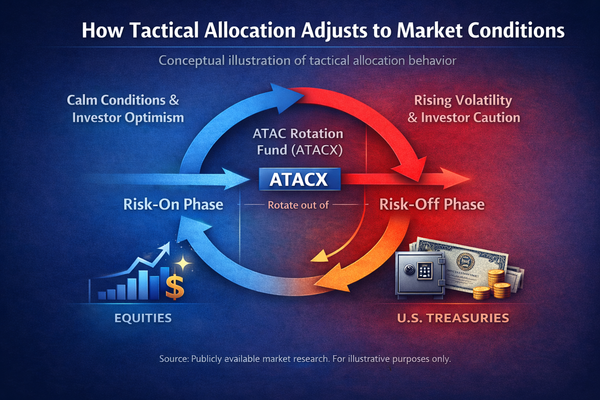
Key Highlights * Volatility has re-emerged as a defining feature of the current market cycle, reshaping how investors think about risk and portfolio construction.¹ * Traditional static allocations, including the classic 60/40 portfolio, face challenges when stock and bond correlations rise during periods of macro stress.² * Tactical allocation strategies, including
Newsletter
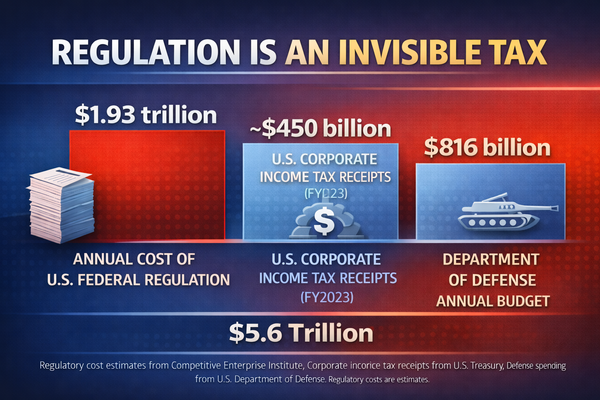
Key Highlights * Policymakers are increasingly relying on deregulation rather than fiscal stimulus to support growth * Supreme Court and executive actions have meaningfully altered the regulatory environment * Deregulation acts as a supply-side catalyst without the inflationary risks of spending * Financials, energy, healthcare, and infrastructure may benefit disproportionately * The Free Markets
Newsletter
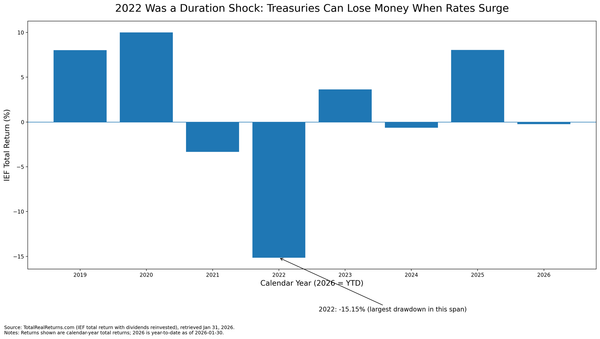
Key Highlights * Geopolitical instability in 2026 has increased the frequency and severity of market risk-off episodes. * Traditional static portfolios have shown vulnerability during periods when stocks and bonds fall together. * Tactical rotation strategies seek to dynamically adjust between risk-on and risk-off assets based on market signals. * The
Newsletter
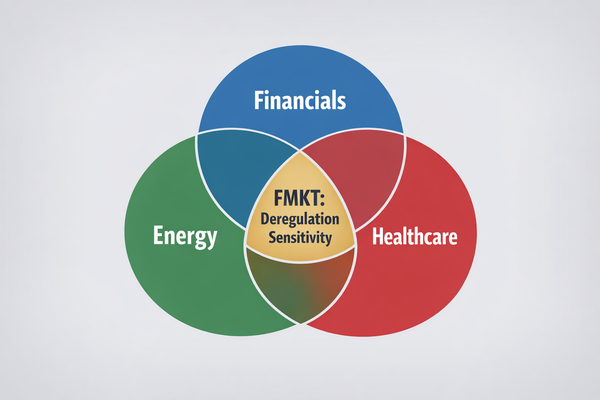
Key Highlights * FMKT is designed specifically to capture deregulation as an investment theme, cutting across energy, financials, and healthcare rather than confining exposure to a single sector. * Traditional sector ETFs reflect industry structure, not policy direction, which can dilute the impact of regulatory shifts on returns. * Deregulation rarely benefits all
Newsletter
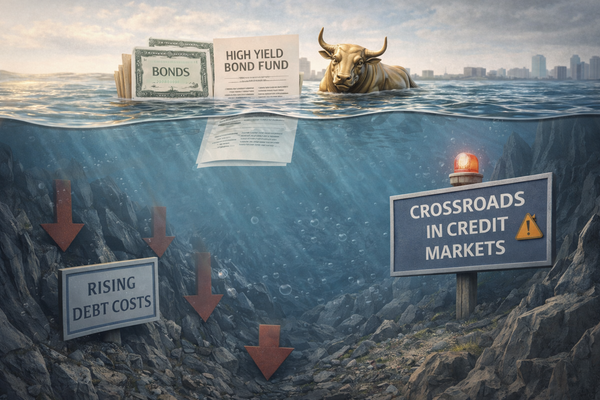
Have credit markets truly settled down, or are they simply catching their breath? Through much of 2025, corporate credit appeared remarkably calm. High-yield bond funds rallied, defaults stayed low, and investors grew comfortable with the idea that the worst of the tightening cycle had passed. Beneath that surface, however,
Newsletter
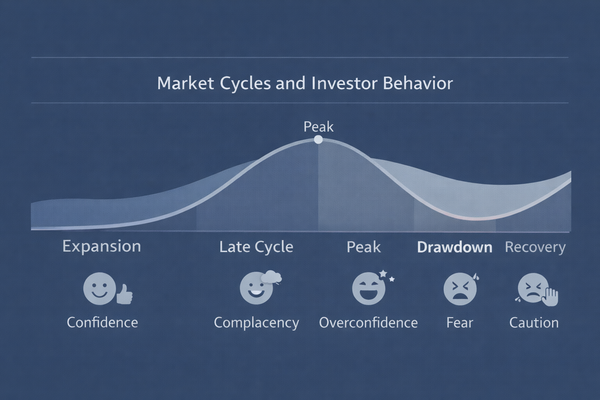
Key Highlights * The U.S. economy is showing multiple late-cycle signals, including slowing growth, a persistent yield-curve inversion, and weakening leading indicators.¹²³ * Late-cycle environments increase the risk of sudden market reversals, making static portfolio allocations more vulnerable. * Tactical allocation funds like the ATAC Rotation Fund (Ticker: ATACX)

Newsletter
Key Highlights * FMKT offers a concentrated, actively managed alternative to broad index investing by targeting companies most sensitive to deregulation. * Unlike the S&P 500, FMKT intentionally emphasizes sectors such as energy, financials, industrials, and healthcare, where regulatory shifts can materially affect profitability. * Broad market indices can mask concentration
Newsletter
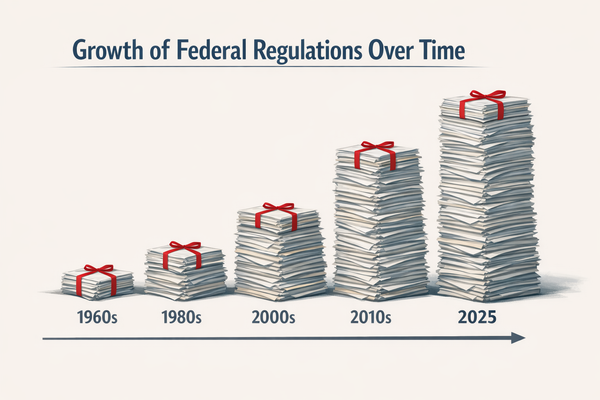
Key Highlights * Deregulation is re-emerging as a structural policy shift, driven by court rulings, executive action, and economic conditions rather than short-term political cycles. * A 2024 Supreme Court decision limiting regulatory authority has fundamentally reshaped the balance of power between federal agencies and the judiciary. * Industries with historically

Newsletter
Key Highlights * Recent SEC agenda items and public statements signal a shift toward streamlined regulation and a renewed focus on capital formation and market efficiency.¹ * Enforcement priorities appear to be narrowing, with fewer actions tied to technical violations and greater emphasis on cases involving clear investor harm.³⁻⁴ * Heavily regulated industries