
Newsletter
Two Dinners in Miami Beach — You're Invited
Join us for dinner and drinks this Sunday and Monday during Future Proof
Newsletter
Join us for dinner and drinks this Sunday and Monday during Future Proof
Newsletter
Key Highlights * Lead-Lag Media will be on site at Future Proof Miami as an official sponsor. * Stop by our booth (location TBA) for high-level strategy conversations, live demos, and Lead-Lag Live interview opportunities. * I’ll be hosting a small, invitation-only dinner with Xtrackers by DWS and

Newsletter
CE-Credit Eligible Webinar Today
Leaders-Laggards
Is This the Beginning of the End for U.S. Growth Dominance?
Weekly Signals
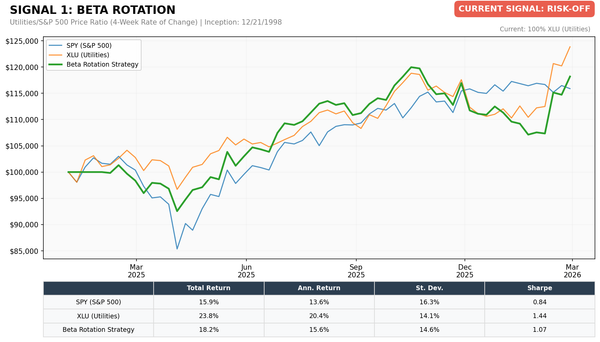
Three of four risk-off signals front-ran the geopolitical shock. The US-Iran conflict and resulting oil spike were the event risk that Utilities, Treasuries, and Gold had been pricing in for weeks.

Newsletter
Structural tightening, global expansion, and portfolio implications of carbon allowances.
Closing Thoughts for the Week
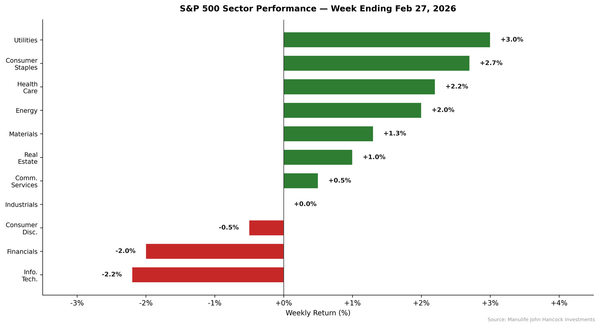
When the best earnings report in semiconductor history cannot lift a market, what exactly is it waiting for?
Newsletter
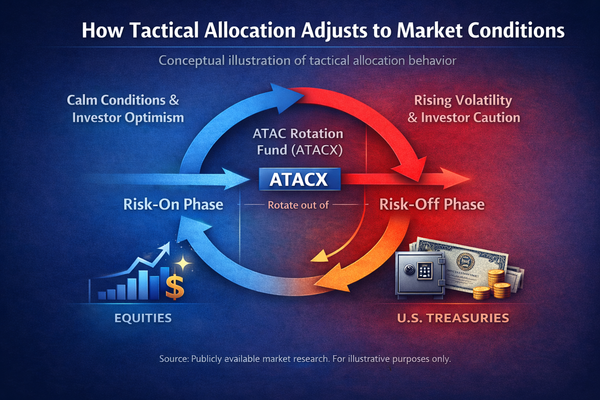
Key Highlights * Volatility has re-emerged as a defining feature of the current market cycle, reshaping how investors think about risk and portfolio construction.¹ * Traditional static allocations, including the classic 60/40 portfolio, face challenges when stock and bond correlations rise during periods of macro stress.² * Tactical allocation strategies, including
Global View
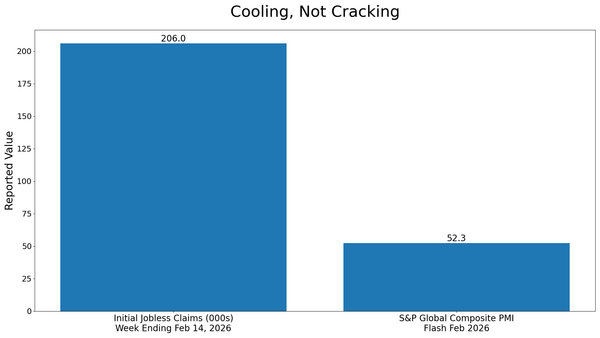
A cooling but still-expanding growth backdrop is colliding with trade-policy shocks and AI-driven equity dispersion.
Leaders-Laggards
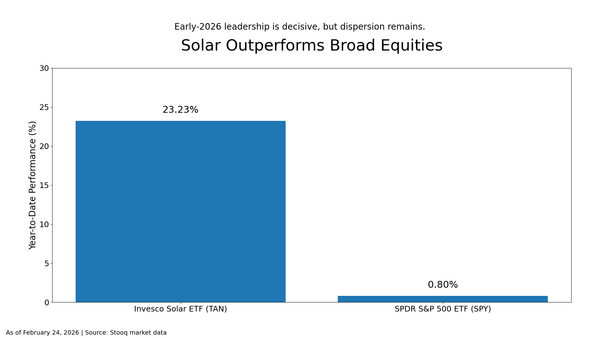
Early-2026 leadership in solar equities reflects record utility-scale build plans and policy-driven timing incentives, even as residential demand remains constrained by financing costs and tariff fric
High Yield Spotlight
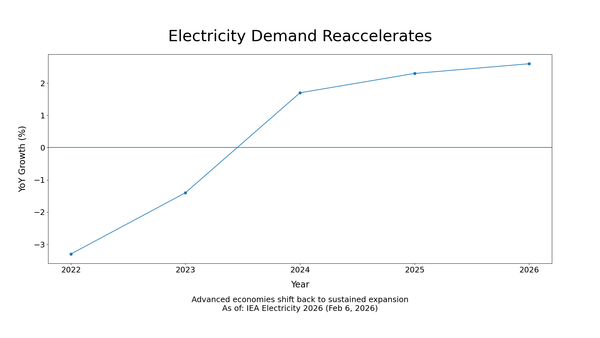
How the Cohen & Steers Infrastructure Fund’s closed-end structure, leverage profile, and discount dynamics shape outcomes in a rate-sensitive, electricity-driven investment cycle.
Newsletter
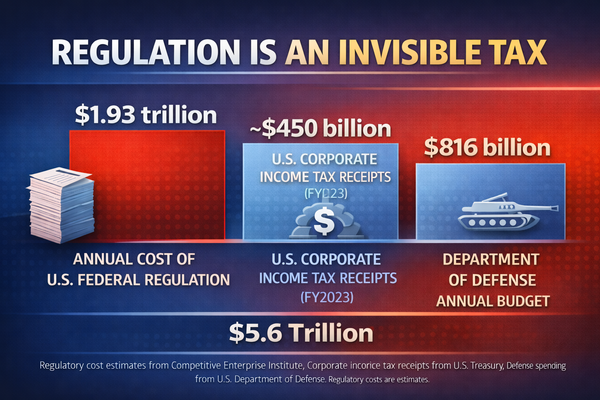
Key Highlights * Policymakers are increasingly relying on deregulation rather than fiscal stimulus to support growth * Supreme Court and executive actions have meaningfully altered the regulatory environment * Deregulation acts as a supply-side catalyst without the inflationary risks of spending * Financials, energy, healthcare, and infrastructure may benefit disproportionately * The Free Markets